PAIRED VS. UN-PAIRED THROUGH-RUNNING
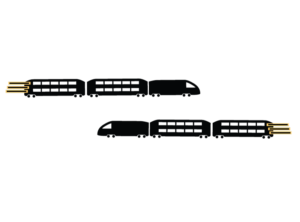
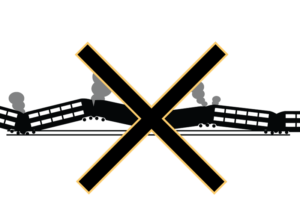
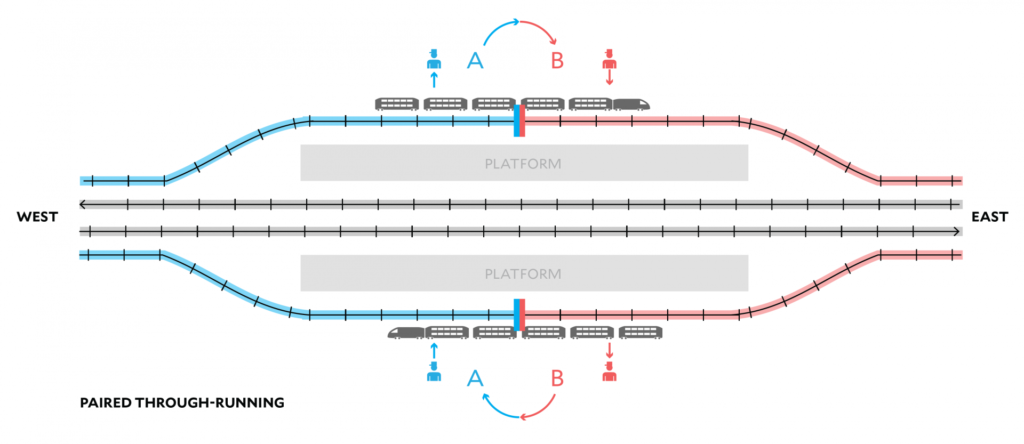
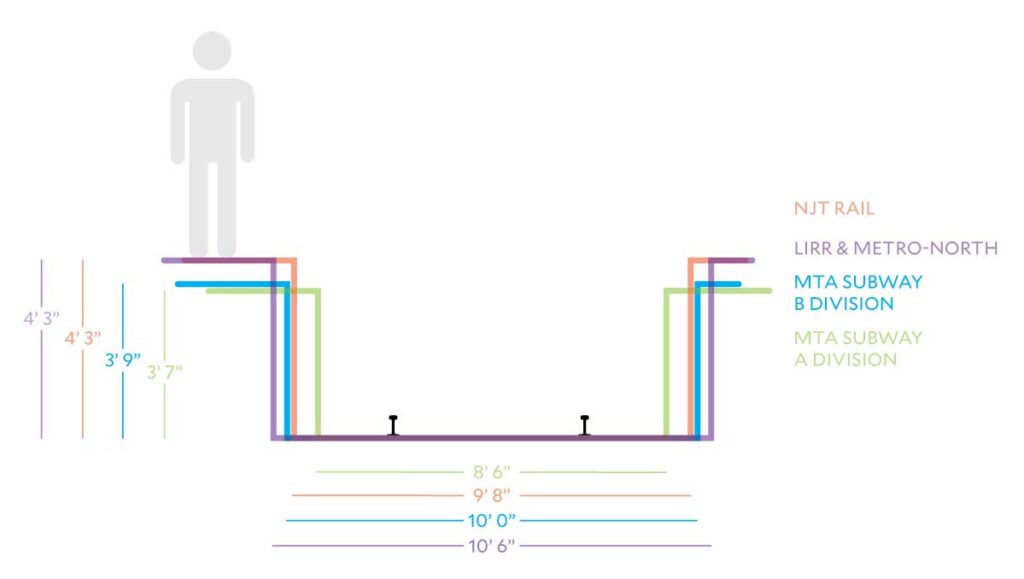
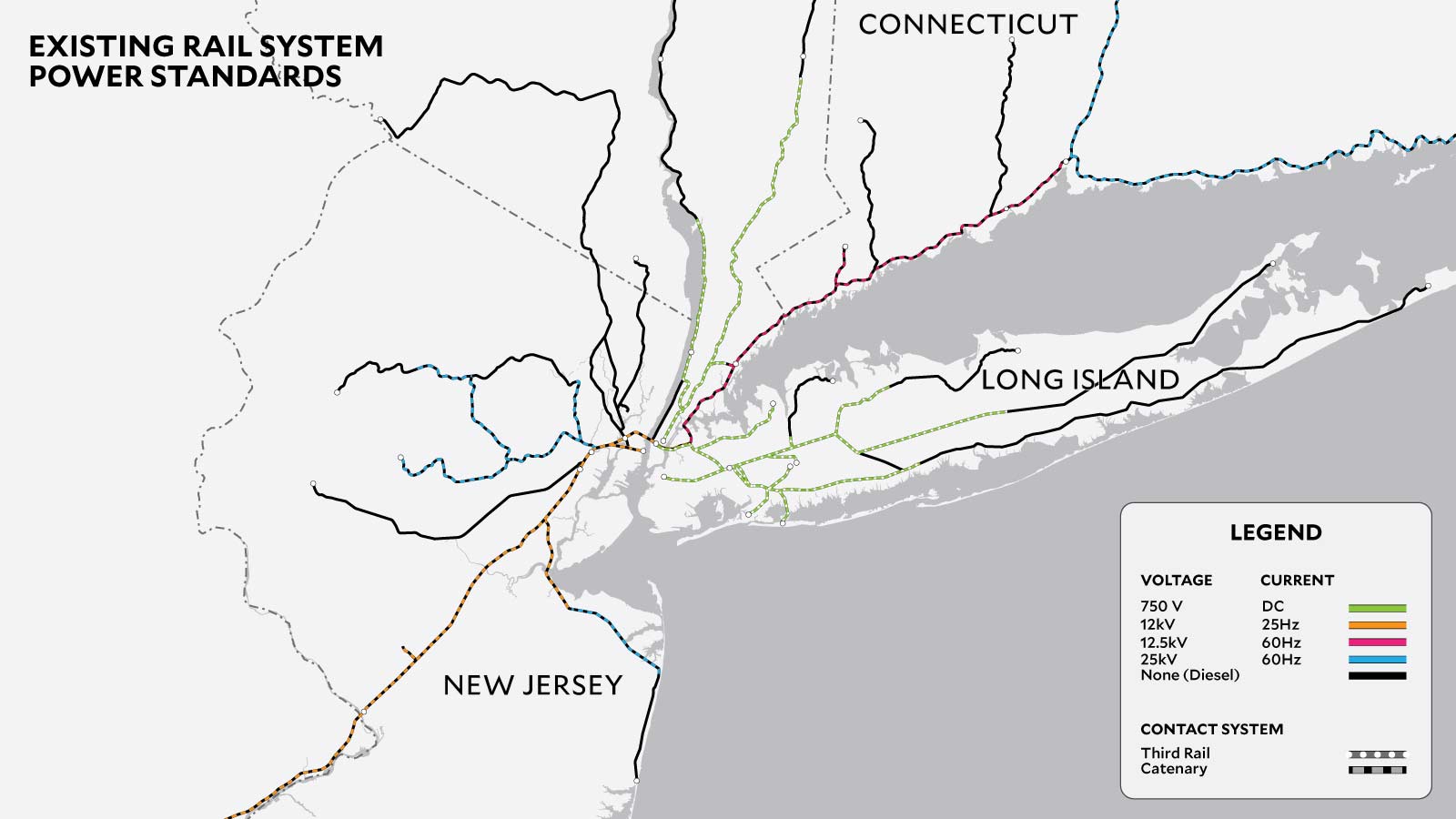
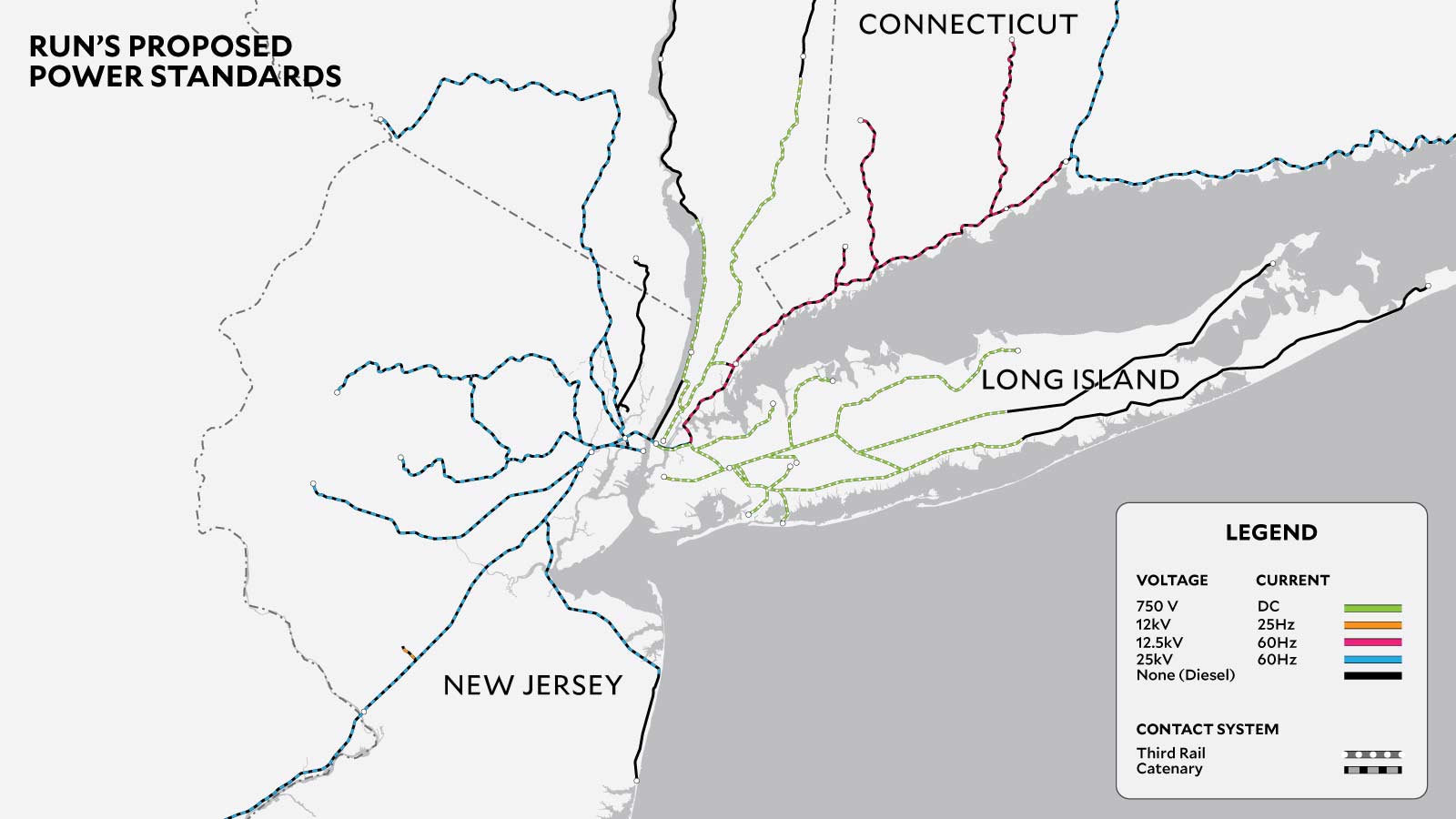
Paired through-running requires phased implementation of a non-paired system. It eliminates the use of terminating tracks in the central business district, but the last stop on all transit lines remains the same. This requires a physical transition of agencies and train conductors at those final destination stations because disparate agencies are “paired” through the use of the same rolling stock.
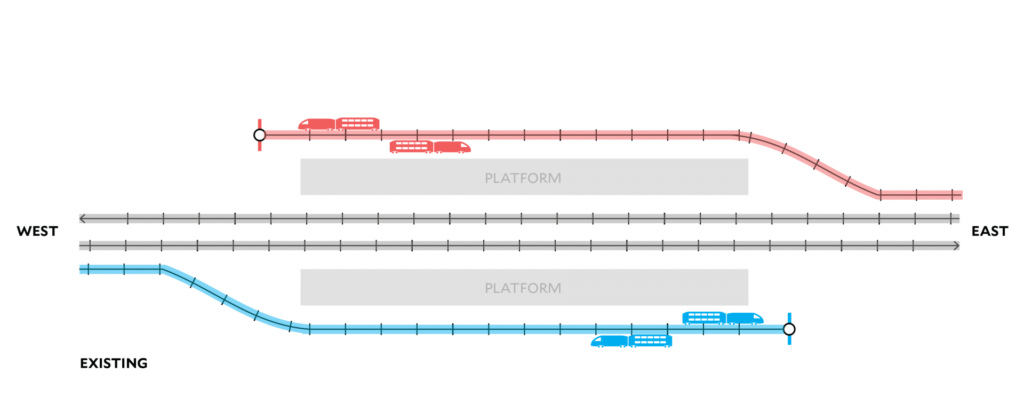
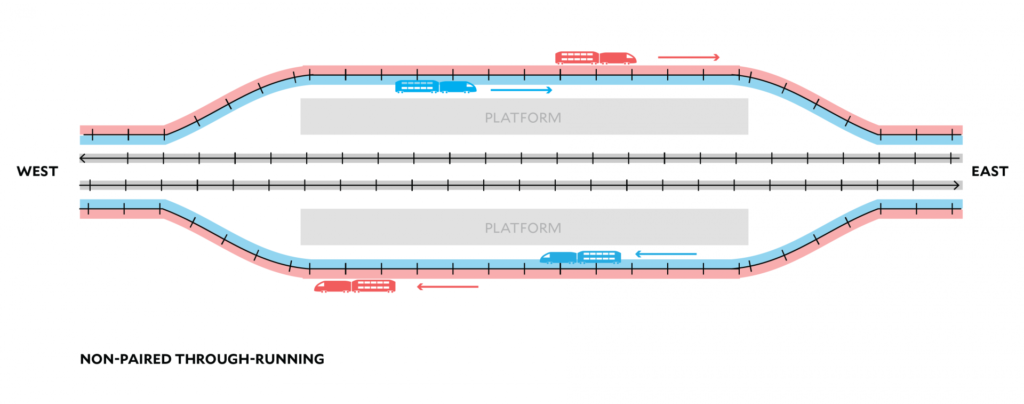
Non-paired through-running allows agencies to keep their current rolling stock by continuing trains through the city center to new termini in the city’s outskirts. In New York, trains terminating at Penn Station would instead terminate at stations outside of Manhattan. In ReThinkNYC’s proposal, these new terminal stations would be Secaucus Junction and Port Morris, with a through-station at Sunnyside.
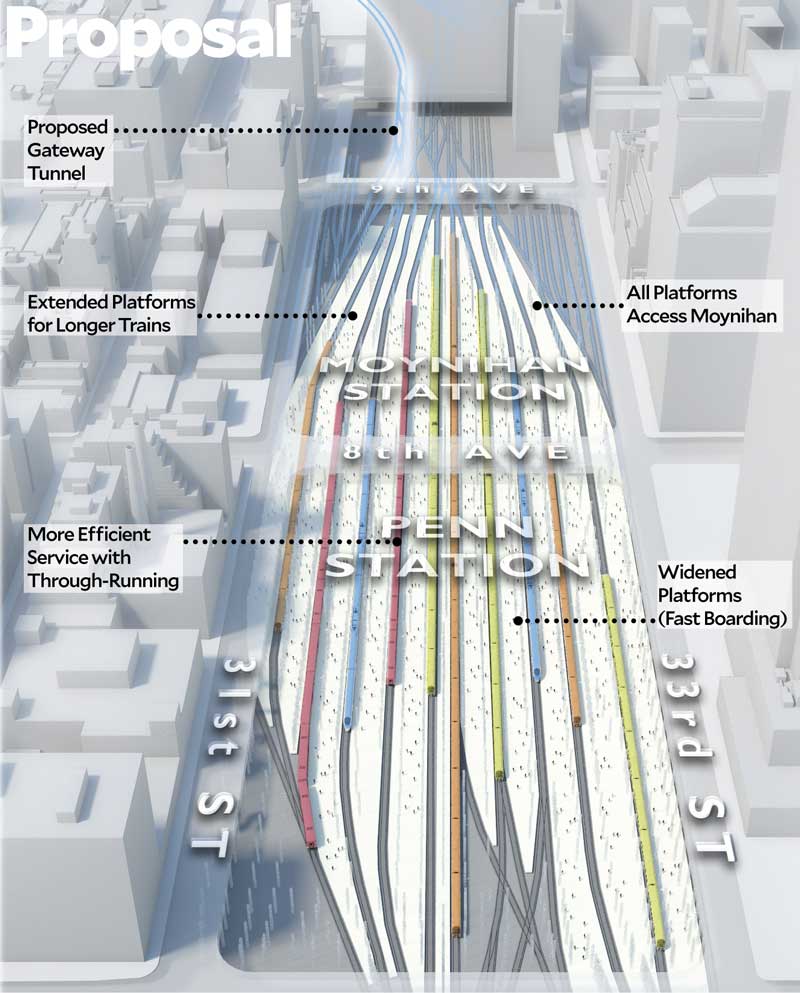
For example, LIRR’s Montauk Line would continue through Penn Station and terminate in Secaucus, New Jersey, just west of Manhattan. NJ Transit’s Bayhead Line would continue through Penn Station and terminate in Port Morris, Bronx. Neither agency would be pressed to overhaul its operations or rolling stock, and Penn would see more efficient service. In a non-paired system, it would be possible to make long term plans for implementing paired through-running and any future overhauls that the city’s system requires.